

Every dollar
spent on a cell
is a dollarnot in a classroom.
Redline maps incarceration spending against education investment, state by state, district by district — turning raw data into legislative blueprints that change votes.
What the numbers
actually say.
Redline's State Spending Index aggregates 14 federal and state data sources to produce the only apples-to-apples comparison of confinement costs and educational investment in every U.S. jurisdiction.
All 50 states tracked annually
Per incarcerated person, per year
The ratio of incarceration spending to per-pupil education investment, averaged across all 50 states. Closing this gap by 10% would fund 2.4 million additional classroom years.
Legislation citing Redline data since 2019
Avg. drop in states that adopted our reentry framework
Data sourced from: Bureau of Justice Statistics, National Center for Education Statistics, State DOC Annual Reports, Urban Institute Corrections Spending Database. FY 2025. Methodology available at redlinepolicy.org/data.
Four perspectives.
One broken ledger.
Each section opens with a voice from the system — a warden, a defender, a mother, a researcher — then unfolds into the data that validates what they said.
“We count every meal tray, every medication dose, every hour of overtime. But nobody asks us to count what we're not building outside these walls.”
Warden Marcus T. Holloway
Retired, Illinois Department of Corrections (28 years)
Redline's facility-level cost audit revealed that the average medium-security facility spends 68% of its operating budget on physical security infrastructure — locks, cameras, walls — versus 4% on education and vocational programming. The national average for per-inmate education spending is $1,200/year, compared to $13,440 per public school student.

Warden Marcus T. Holloway — Retired
“My clients come in with a high school diploma and leave unable to explain a three-year gap on a resume. That's not rehabilitation. That's a paperwork problem with human consequences.”
Deja Okonkwo
Public Defender, Cook County Public Defender's Office
Employment is the single strongest predictor of successful reentry. Redline's labor market analysis found that formerly incarcerated individuals who completed accredited vocational training during incarceration were 2.7× more likely to hold stable employment at the 18-month mark — yet only 11% of state prisons offer accredited programs.

Deja Okonkwo — Public Defender
“My son left knowing how to survive a cell. He didn't know how to sign a lease. Nobody taught him that. Nobody thought that was their job.”
Carolyn Reyes
Parent, Chicago, IL — Son incarcerated at age 19, released at 26
Housing instability is the leading driver of recidivism within the first 90 days of release. Redline's mapping of reentry support funding shows that 34 states spend less than $800 per person on post-release services — including housing navigation, ID procurement, and benefits enrollment. The total cost of one recidivism cycle averages $89,000 in public expenditure.

Carolyn Reyes — Parent
“The data doesn't lie, but it does wait — patiently — for someone with the will to read it.”
Dr. Priya Nair
Senior Research Fellow, Redline Policy Institute
Cross-referencing state budget allocations with sentencing data reveals a consistent pattern: states that increased education funding by 10% saw a 6–9% reduction in incarceration rates over a 10-year horizon. The correlation holds across red states, blue states, and swing states alike — suggesting that fiscal logic, not ideology, is the most durable lever for reform.

Dr. Priya Nair — Senior Research Fellow
The reading room
is open.

The Redline Gap: 2025 State-by-State Spending Report
A comprehensive audit of incarceration costs versus education investment across all 50 states, with legislative recommendations for closing the gap within one budget cycle.

Reentry Housing Funding: A 34-State Gap Analysis
October 2025 · 32 pp.

Vocational Education Behind Bars: What Works
August 2025 · 56 pp.
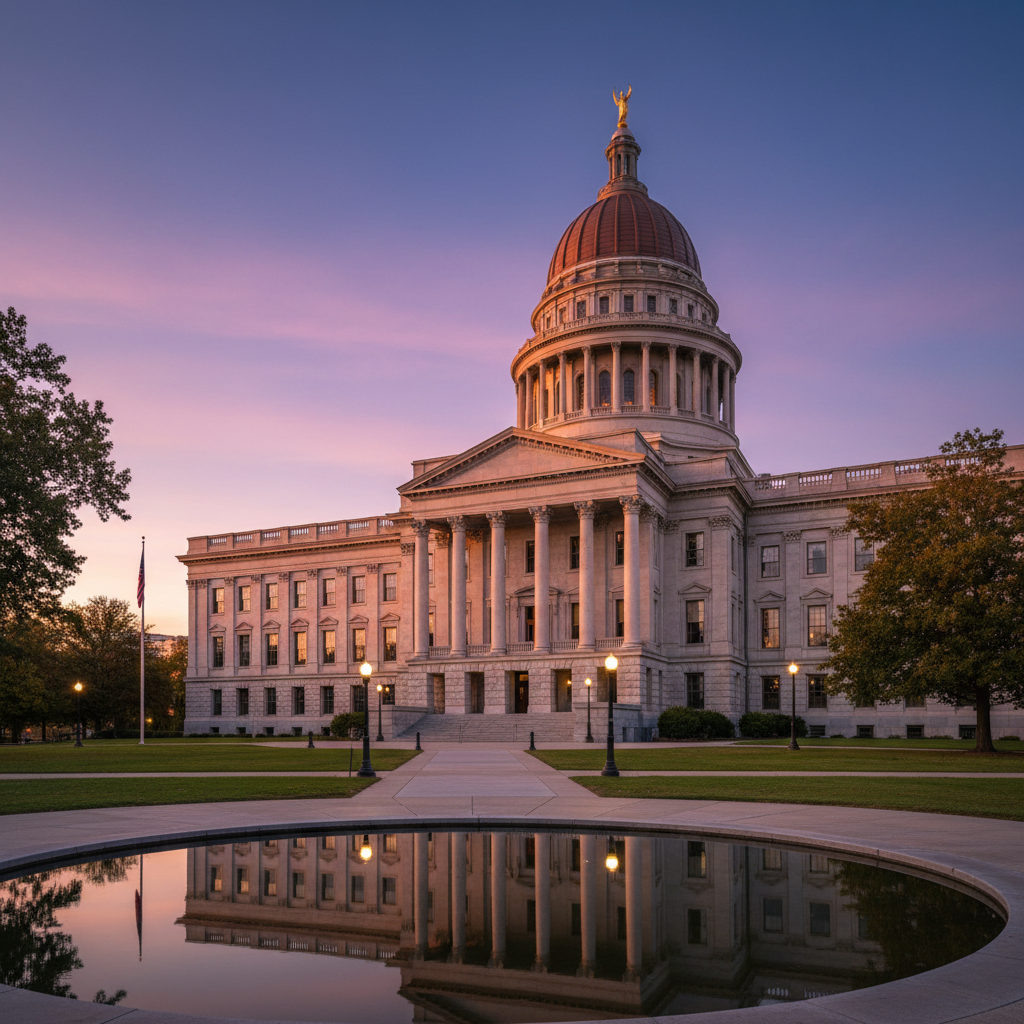
Legislative Tracker: Criminal Justice Reform Bills 2025
Ongoing — Updated Monthly · Live database
Get the 2026 Summit Briefing Packet — free.
40 pages of data, policy proposals, and state-by-state breakdowns. Delivered to your inbox immediately.
Arrive with a question.
Leave with a blueprint.
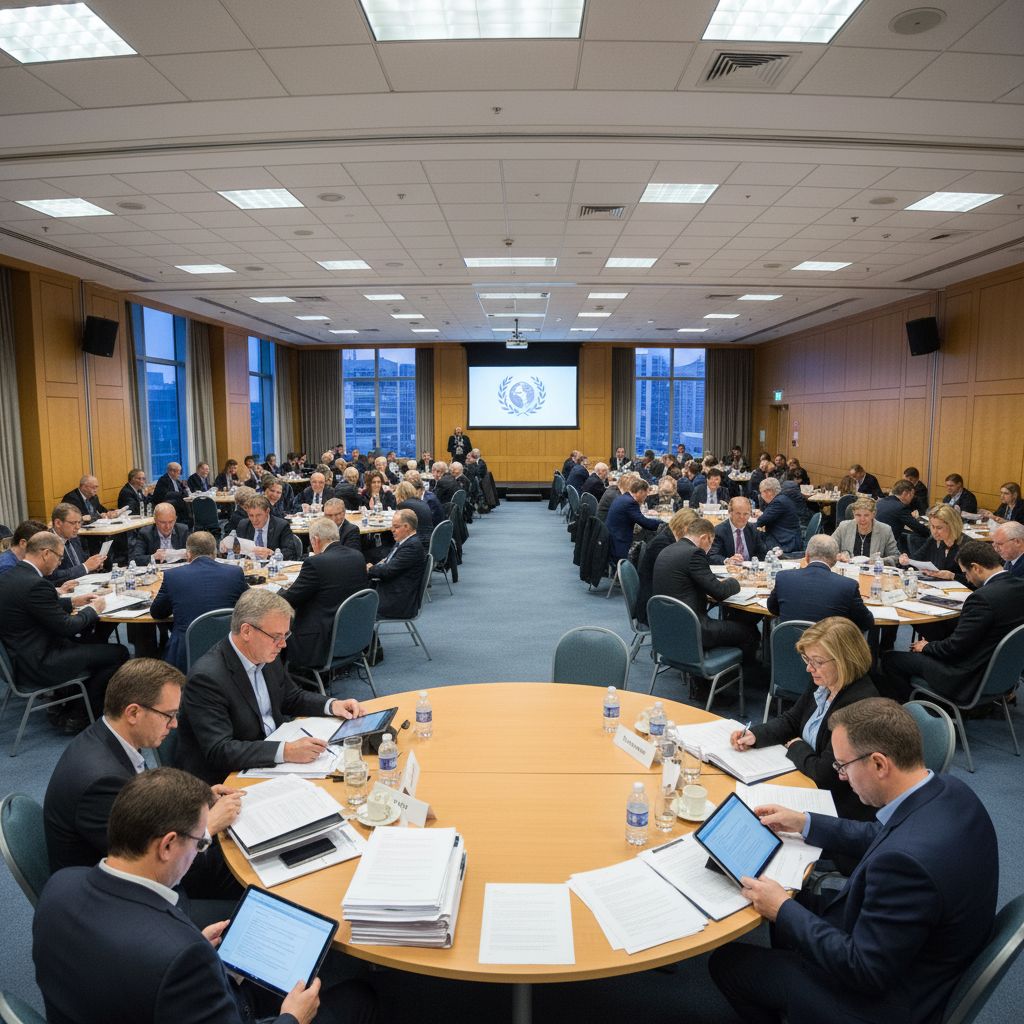
Date
April 24–25, 2026
Location
Washington, D.C. — National Press Club
Capacity
320 seats — applications reviewed
Format
Briefings, working sessions, testimony prep
"The open-text question — 'What policy question are you bringing?' — is not optional. It signals that this event is for people who arrive prepared."
— Redline Program Committee
Reserve Your Seat
Applications are reviewed. Seats are limited to 320. You will receive a confirmation within 48 hours.